Loading...
Insulation without air sealing leaves money on the table. We seal the hidden gaps in your attic floor first - so the insulation we add actually works, and your heating bills stop climbing.
Attic air sealing in Huntington, WV means plugging the gaps, cracks, and holes in your attic floor that let conditioned air escape and outside air sneak in - most jobs take one to two days and deliver noticeable results within the first cold snap. Foam, caulk, or tape goes around every pipe, wire, recessed light, and wall top-plate penetration in the attic floor, creating a continuous barrier that insulation alone cannot provide. Sealing first, then insulating, is the order that actually works.
If your Huntington home is more than 40 years old, there is a good chance the attic has never been properly sealed. Homes built before the 1980s were not designed with energy efficiency in mind, and their attic floors typically have dozens of unsealed gaps that have let heat escape for decades. The symptoms are familiar: high bills, rooms that never stay comfortable, and drafts near the ceiling. Attic air sealing is the fix that addresses the cause, not just the symptom.
Many homeowners pair attic air sealing with retrofit insulation to address both air leakage and insulation depth in a single project. Ask us about combining both during your free estimate.
If your energy bills have crept up over the past few winters or summers without any change in habits, air leaking through your attic is one of the most common culprits. Huntington's climate swings mean your system works hard in both seasons, and even moderate leakage adds up fast over a full year.
When top-floor rooms feel harder to keep comfortable than the rest of the house, conditioned air is escaping through the attic above them. In Huntington winters, a bedroom that never quite warms up despite the thermostat is a classic sign of attic leakage. The problem is not your heating system.
Pull-down attic stairs, recessed lights, and the area where interior walls meet the attic floor are common leak points in older Huntington homes. If you feel a faint draft near the ceiling on a cold day, or if you notice dust rings forming around ceiling lights, air is moving through gaps that should be sealed.
Many Huntington homes built before 1980 have never had their attic air sealing assessed. If you bought an older home and the previous owner never mentioned energy upgrades, the attic is almost certainly leaking. The age of the home alone is a reasonable reason to have it checked.
We seal the attic floor thoroughly before adding or refreshing any insulation on top. The work covers every penetration - pipe boots, wire chases, recessed light fixture boxes, and the tops of interior partition walls, which are a major but often overlooked air pathway in older homes. We use the right material for each gap size: two-component spray foam for larger openings, caulk or acoustical sealant for smaller cracks, and rigid foam board with foam at the edges for attic hatches. Homeowners who want both sealing and new insulation in the same project can combine this with our whole-home air sealing services for a comprehensive approach.
The retrofit insulation we install after sealing goes in more evenly and stays more effective because there is no longer a stream of air moving through the material. This is the difference between a patch job and a real fix. Every project starts with a free in-home assessment so we can tell you exactly what your attic needs and quote the right scope from the start.
Best for homes with accessible attic floors where sealing before insulating will deliver the most heat-loss reduction.
Targeted treatment for can lights that penetrate the attic floor, one of the most common air leakage points in older Huntington ceilings.
Addresses gaps where interior walls meet the attic floor - a major air pathway in homes with open framing cavities.
Full project pairing thorough air sealing with new blown-in insulation to bring attic performance up to current standards in one visit.
Huntington sits in IECC Climate Zone 4A, a mixed-humid zone that swings hard in both directions. Summers are hot and muggy, with temperatures regularly climbing into the upper 80s and 90s and humidity that stays high for weeks. Winters are cold enough to freeze pipes, with January lows that routinely dip into the teens. That means your attic is fighting heat gain in July and heat loss in January, and any gap in the attic floor works against you in both seasons. Homeowners here get more value from attic air sealing than those in milder climates because the problem never really goes away - it just changes direction. The U.S. Department of Energy estimates that sealing and insulating can cut heating and cooling costs by up to 15 percent, and older Huntington homes with significant existing leakage often see even bigger gains.
A large share of Huntington's housing stock was built before 1980, and many homes in neighborhoods like Westmoreland and Highlawn date to the 1920s through 1950s. Those homes were not built with energy efficiency in mind, and their attic floors have never been sealed. The Tri-State region also carries high relative humidity through spring and summer, which means moisture management is not optional - a contractor needs to assess your attic ventilation before sealing to avoid trapping humidity. We serve homeowners throughout the area, including customers in Barboursville and Ashland, KY, where older housing stock creates the same air sealing needs.
When you reach out, we ask a few basic questions about your home's age and the symptoms you have noticed. We schedule a free in-home visit and respond to all inquiries within 1 business day.
We go into your attic and look at existing insulation, identify where the gaps are, and assess how accessible the space is. You receive a written estimate explaining what we found and exactly what we plan to do.
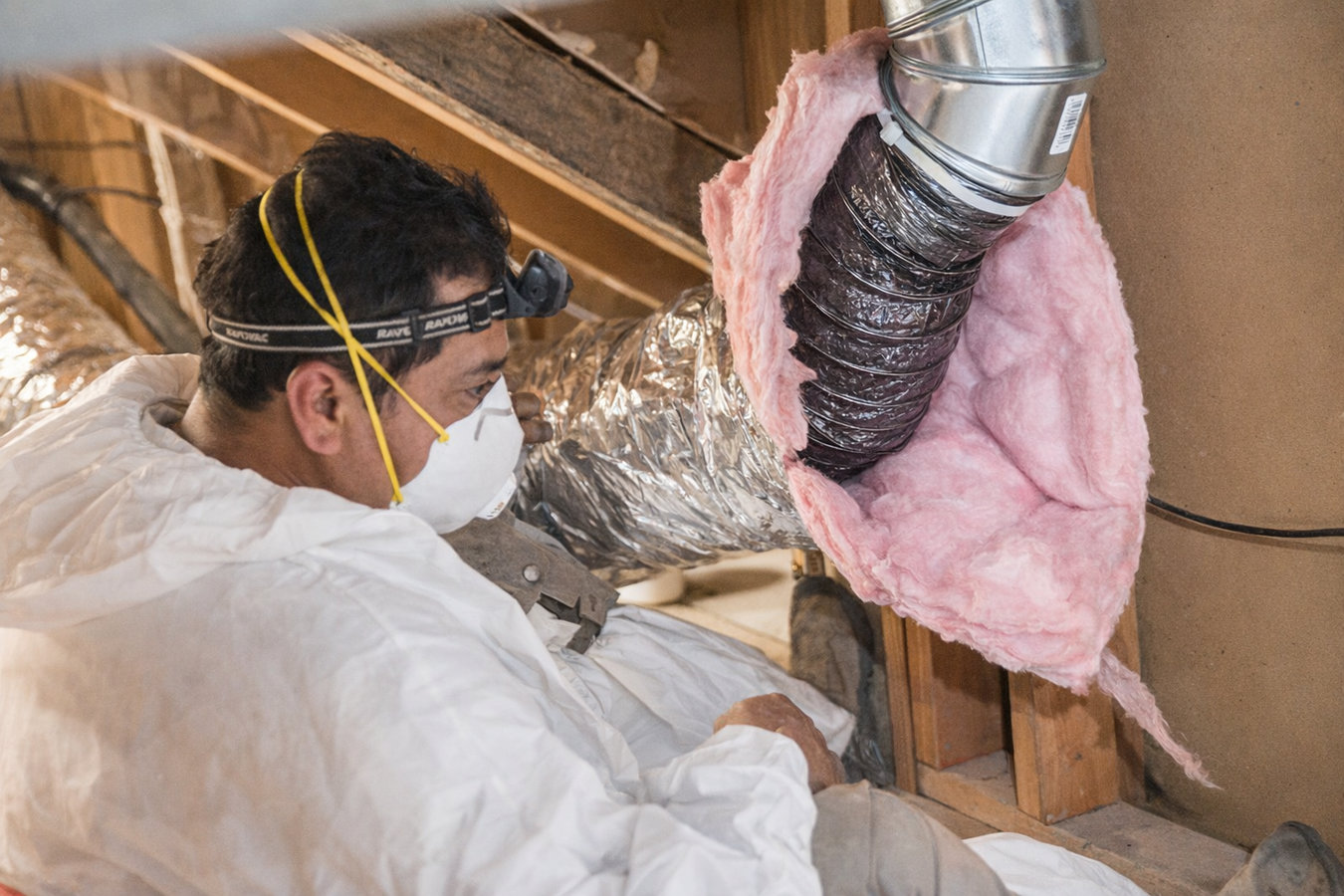
The crew works in the attic, not your living space. They move existing insulation aside, seal every gap and penetration with the right material - foam for larger gaps, caulk or tape for smaller ones - then replace the insulation.
After sealing is complete, we walk you through what was found and sealed - either in person or with photos. You receive documentation of the work, which you will need if you are claiming a federal tax credit.
We will come out, look at your attic, and give you a straight answer about what it needs and what it will cost. No sales pitch. Replies within 1 business day.
(304) 802-8467Our installers seal attics across Huntington week in and week out, so they know where the biggest leaks hide in older homes. We walk you through the scope before we start any work and document what we do. That hands-on experience matters when someone is working in your attic.
We work exclusively in the Tri-State area and understand the specific challenges of Huntington's older housing stock - irregular attic framing, high humidity, and homes that were built before energy codes existed. That local knowledge shapes every job we do.
Many crews skip the sealing step and go straight to blowing in insulation. We do not. Sealing before insulating is the order that actually works, and we will show you photos of the sealed attic floor before we replace any insulation on top.
Every inquiry we receive - phone, form, or email - gets a response within 1 business day. Most get a same-day response during business hours. You should not have to chase a contractor for a callback.
We work exclusively in the Tri-State area, and we understand the specific air sealing challenges that come with Huntington's older housing stock. Every job starts with a free written estimate and a clear scope, so you know exactly what we will seal before we begin any work.
Add insulation to an existing home without tearing out walls - covering attics, crawl spaces, and wall cavities in a single project.
Learn moreWhole-home air sealing that addresses leakage in the attic, crawl space, rim joists, and any other area where conditioned air is escaping.
Learn moreHuntington winters move fast - locking in your appointment now means you stop losing heat before the first cold snap. Call us or request a free estimate online today.