
Loading...
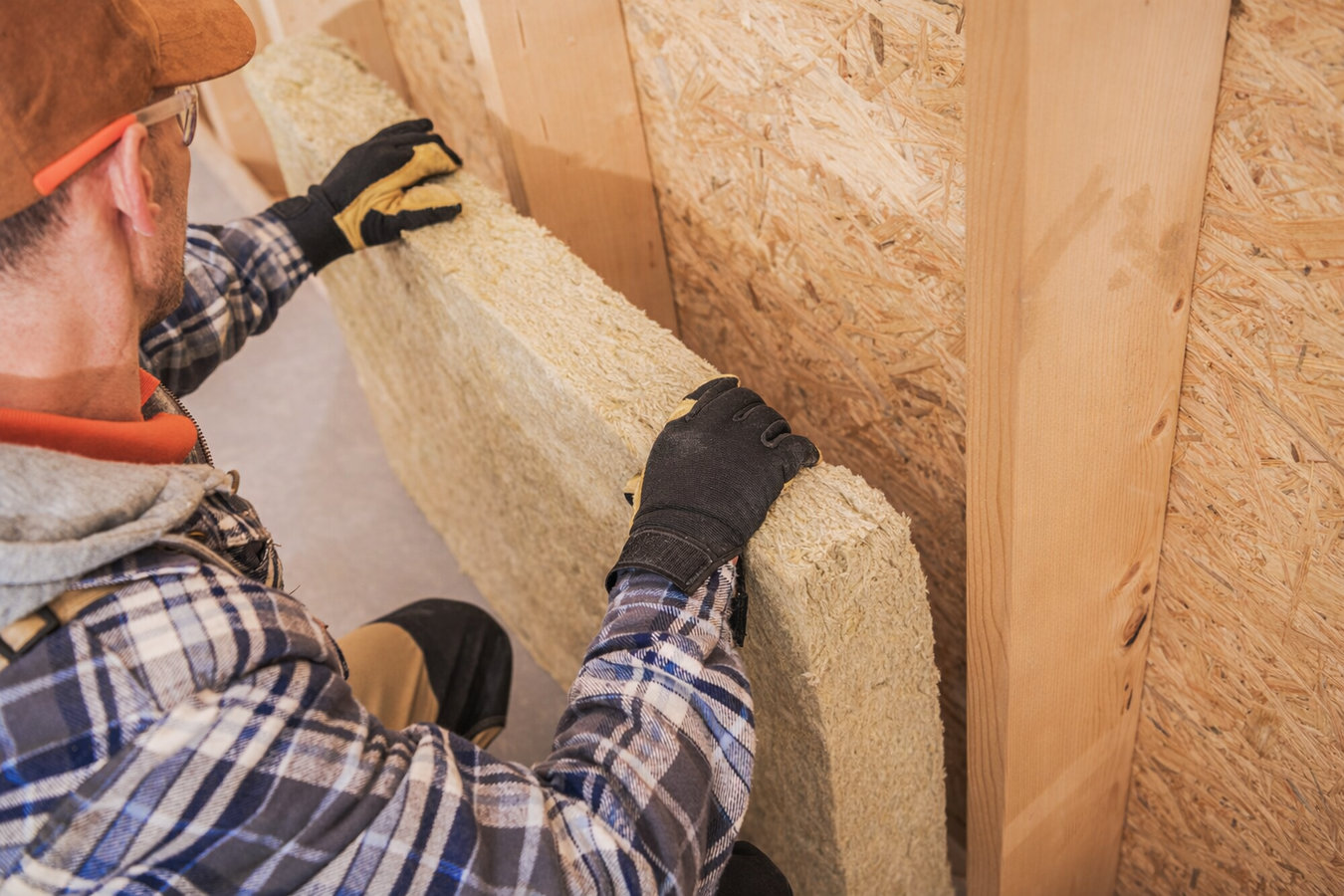
Huntington homes built before 1975 often have empty exterior walls. Wall insulation fills those cavities so every room in your home finally holds a steady temperature.
Wall insulation in Huntington, WV fills the empty cavities in your exterior walls to slow heat movement in both directions - most blown-in jobs on a single-story home finish in one day, and homeowners notice steadier room temperatures within the first full heating or cooling season. The insulation sits inside the wall cavities between the studs, slowing the transfer of heat so your furnace or air conditioner does not have to run as long to maintain a comfortable temperature.
Many Huntington homes were built before modern energy codes required wall insulation, which means a large share of the city's housing stock - particularly in neighborhoods like Westmoreland, Highlawn, and Guyandotte - has empty or under-filled exterior walls. If your home was built before 1975 and no one has ever drilled and patched holes in your siding, there is a strong chance the walls are bare. A contractor can confirm this quickly during a free estimate visit.
Wall insulation works best when it is paired with air sealing services - insulation slows heat transfer, but it does not stop air movement through gaps around outlets, pipes, and framing. Together, they address both problems at once.
If your furnace or heat pump runs constantly during Huntington cold months but your home still feels drafty or uneven, your walls may be letting heat escape faster than your system can replace it. This is one of the most common signs in older Huntington homes - the equipment is not the problem, the building envelope is.
Walk through your home on a cold January day and pay attention to which rooms feel comfortable and which feel like a different building. Rooms on exterior corners, above garages, or in older additions are often the worst offenders. Uneven temperatures almost always point to inconsistent or missing wall insulation.
Press the back of your hand near an electrical outlet or switch plate on an outside wall. If you feel a noticeable draft or cold air, that wall cavity is likely empty or poorly filled. This is a quick, no-cost test any homeowner can do on a cold Huntington winter day.
Given how much of Huntington's housing stock dates to the pre-insulation era, age alone is a strong signal. If you have owned your home for years and no one has ever drilled and patched holes in your exterior walls, there is a good chance the walls are empty. A contractor can confirm this quickly with a simple probe during an estimate visit.
The right approach for your walls depends on whether they are already finished or open. For most Huntington homes with drywall up, blown-in insulation is the standard method - we drill small holes in each wall cavity, fill it solid, then patch and plug the holes. For walls that are open during a renovation, we fit batt insulation between the studs before drywall goes up. Both approaches fill the cavity and deliver real insulating value; the choice comes down to what the walls look like when we show up. We also offer blown-in insulation as a standalone service for attics and other open spaces where the same technique applies.
For older Huntington homes with irregular stud spacing or multiple wall layers, we use a dense-pack method that compresses the insulation material so it fills every corner of the cavity from top to bottom. Gaps at the top or bottom of a cavity defeat most of the benefit, so filling the cavity completely matters. We also offer wall insulation combined with air sealing services for homeowners who want to address both heat transfer and air movement in a single project. The U.S. Department of Energy recommends combining insulation and air sealing for the best energy performance results.
Best for finished walls where drilling small holes and filling cavities is the right approach without opening drywall.
Best for walls that are already open during a renovation or new construction, where batts can be fitted between studs before drywall goes up.
Best for older Huntington homes with irregular cavities where standard blown-in may not fully pack the space from top to bottom.
Best for leaky older homes where sealing gaps around outlets and penetrations before adding insulation delivers the most complete result.
Huntington sits in IECC Climate Zone 4A - a mixed-humid zone where winters are cold enough to freeze pipes and summers are hot and sticky. Your walls are working in both directions, holding heat in from November through March and keeping it out from June through August. A home with empty or thin walls in Huntington is not just uncomfortable; it is spending money every single month. The city also has a large share of homes built before 1960, when wall insulation simply was not part of standard residential construction. Neighborhoods like Westmoreland, Guyandotte, and the Highlawn area are full of beautiful older homes that were built well but never insulated to modern standards.
We regularly serve homeowners in Barboursville and Kenova who face the same older-home challenges as Huntington residents. Whether the home is a 1930s brick Colonial in an established neighborhood or a wood-frame house on a hillside lot, we have seen the wall configurations and framing styles that are common in this part of West Virginia, and we price accordingly.
Reach out by phone or online form and we will schedule a free in-home estimate - usually within a few days. We respond to all inquiries within 1 business day. You do not need to prepare anything; just be home and ready to walk through the house.
We walk your exterior walls, check for moisture, and use a probe or thermal camera to find out exactly what is in your walls. You get a written estimate that breaks down scope and cost before any commitment.
Move furniture about two to three feet from exterior walls before the crew arrives. The crew drills small holes in each wall cavity, fills it solid with blown-in insulation, then plugs and patches every hole. Most single-story homes finish in one day.
We walk through the completed work with you, confirm every exterior wall section was addressed, and clean up before leaving. Patches will need a coat of paint, which you can handle yourself. You will notice steadier temperatures within the first full heating or cooling cycle.
Free estimate, no obligation. We check your walls, explain what we find, and give you a written quote before any work begins.
(304) 802-8467Filling finished walls the right way takes a crew that has done it many times. Ours works in Huntington's older homes every week and gives you a written scope before we set foot in your home. That matters when someone is working inside your walls.
We work exclusively in the Tri-State area and understand the specific challenges of Huntington's older homes - irregular framing from early 1900s construction, knob-and-tube wiring concerns, and additions built over decades with different wall configurations. That local knowledge shapes every estimate we give.
We provide written estimates after an in-home assessment. You will know exactly what areas are covered, what material is used, and whether patching is included before you commit. No surprise line items added after the job starts.
Every inquiry - phone, form, or email - gets a response within 1 business day. We know homeowners in Huntington do not want to chase a contractor for a callback, so we treat your time as seriously as our own.
The Building Performance Institute sets the national standard for home energy work, and contractors who follow those standards document what they did and can show you the results. That combination of local knowledge and accountable process is what we bring to every wall insulation job in Huntington.
Close the gaps around outlets, pipes, and framing that let conditioned air escape even after walls are insulated.
Learn moreThe same loose-fill technique used for wall cavities applied to attics and open spaces throughout your home.
Learn moreFall schedules fill fast - reach out now for a free estimate and lock in your installation date while spots are available.